

The Benefits of Living in Cohousing
Cohousing isn’t just a different homeownership model: it’s a different approach to everyday life. Here’s why more people are choosing a more connected, supportive, and practical way to live in Riverwest, Milwaukee.
A Smart Approach to Cost and Value
Cohousing offers a different way to think about the cost of living: not just in terms of square footage, but in overall value. Homes at River Trail Commons begin at $325,000. Owners enjoy a private home and so much more.
Unlike renting, residents invest in their own homes while also sharing certain resources and responsibilities. This can lead to long-term savings through things like shared amenities, reduced maintenance burdens, and opportunities for bulk purchasing.
There are also indirect financial benefits. Living in a connected community can help reduce expenses related to child care, senior care, pet care, home upkeep, and everyday needs.
Cohousing is about getting more out of what you invest.

Connection, Without Forcing It
One of the biggest benefits of cohousing is something many people feel is missing today: a real sense of community.
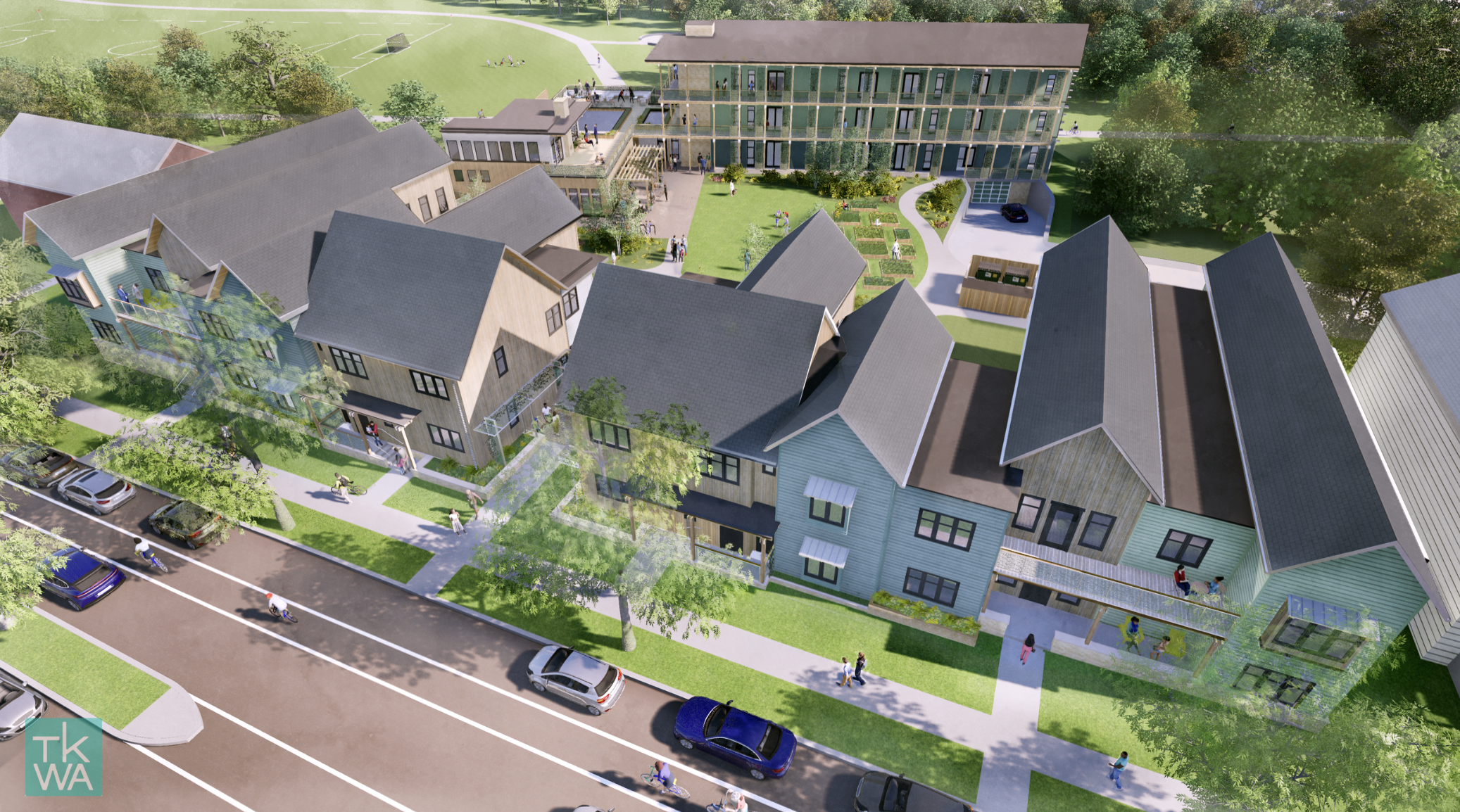
The River Trail Commons neighborhood is intentionally designed to make connection easier. Shared spaces and thoughtful layout naturally create opportunities to interact, whether it’s a quick conversation, a shared meal, or time spent outdoors.
At the same time, participation is always a choice. You can engage as much or as little as you’d like, while still knowing that connection is always within reach.
It’s community that fits into real life. You don’t have to go out of your way to find community, because it’s built right into your neighborhood in Riverwest, Milwaukee.
Support in the Moments that Matter
Cohousing creates an environment where people can support each other in small, meaningful ways day-to-day. And in big ways when it matters.
That might look like sharing child care, checking in on your pet when you’re away, helping a neighbor with a project, or simply having someone nearby when you need a hand.
This kind of support isn’t formal or required. It happens naturally when people know and trust one another.
For families, it can make day-to-day life more manageable. For older adults, it can provide a sense of ease and connection. For anyone, it creates a stronger feeling of being part of something.

Greater Comfort and Security
When you know your neighbors, your environment feels different.
Cohousing communities often create a stronger sense of safety simply because people are more aware of and connected to one another. There’s a natural level of care, visibility, and shared responsibility that comes from living in a more engaged neighborhood.
Beyond physical safety, there’s also emotional well-being. Feeling known, supported, and part of a community can have a meaningful impact on day-to-day life.
Meeting a Housing Need
Many traditional housing options prioritize privacy and independence, but often at the cost of connection.
Cohousing offers a unique balance. It keeps the independence of having your own home while creating more opportunities for relationships, shared experiences, and a sense of belonging.
It takes the best parts of how communities used to function and designs them in a way that works for today. That leads to a more fulfilling and grounded way of living.
Cohousing offers the privacy of your own home with the added benefit of a more connected neighborhood.
In a traditional housing development, residents may live near one another but have limited opportunities to build relationships. Cohousing is designed differently. Private homes are paired with shared spaces, such as a Common House, outdoor gathering areas, gardens, or other community amenities, that make everyday connection easier.
Residents still have their own kitchens, bedrooms, bathrooms, routines, and personal space. The difference is that community is intentionally built into the design, giving neighbors more natural ways to gather, collaborate, share resources, and support one another.
At River Trail Commons, cohousing means private homeownership in Milwaukee’s Riverwest neighborhood, with shared spaces that support both independence and belonging.
How Does Cohousing Differ From Traditional Housing?
Cohousing offers a range of practical and meaningful benefits, but the most important question is whether it’s the right fit for you.
The next step is exploring how cohousing at River Trail Commons works in more detail and seeing how it aligns with your lifestyle, priorities, and long-term goals.