

Cohousing in Wisconsin:
A More Connected Way to Live
River Trail Commons is a developing intergenerational cohousing community planned for Milwaukee’s Riverwest neighborhood in Wisconsin.
The vision: Create a neighborhood where people can own private homes while also sharing spaces, resources, and everyday opportunities for connection.
Many people’s search for cohousing begins with a simple feeling: something is missing from the way we live now.
We may have homes, neighborhoods, and active lives, but not always the kind of connection, support, and belonging that makes daily life feel grounded and fulfilling.
River Trail Commons is being designed as a different path: a future community where residents can maintain privacy and independence while helping shape a more connected way of living.

What Is Cohousing?
Cohousing is a community-centered approach to homeownership. Residents have their own private homes, while also sharing common spaces and participating in the day-to-day life of the community.
Unlike a traditional condo development or subdivision, cohousing is intentionally designed to make connection easier. Homes, paths, gathering areas, outdoor spaces, and shared amenities will be laid out in a way that creates natural opportunities for neighbors to interact, collaborate, and build relationships over time.
That is the goal for River Trail Commons. We are designing the neighborhood to support both privacy and community, giving future residents their own homes while creating shared spaces where connection can grow naturally.

Community Is the Heart of River Trail Commons
The guiding philosophy behind River Trail Commons cohousing: life is better when people know their neighbors.
In many neighborhoods, people live close to one another but rarely connect. They wave from driveways, pass each other in hallways, or share walls without sharing much of life. Cohousing is designed to change that by building community into the plan from the beginning.
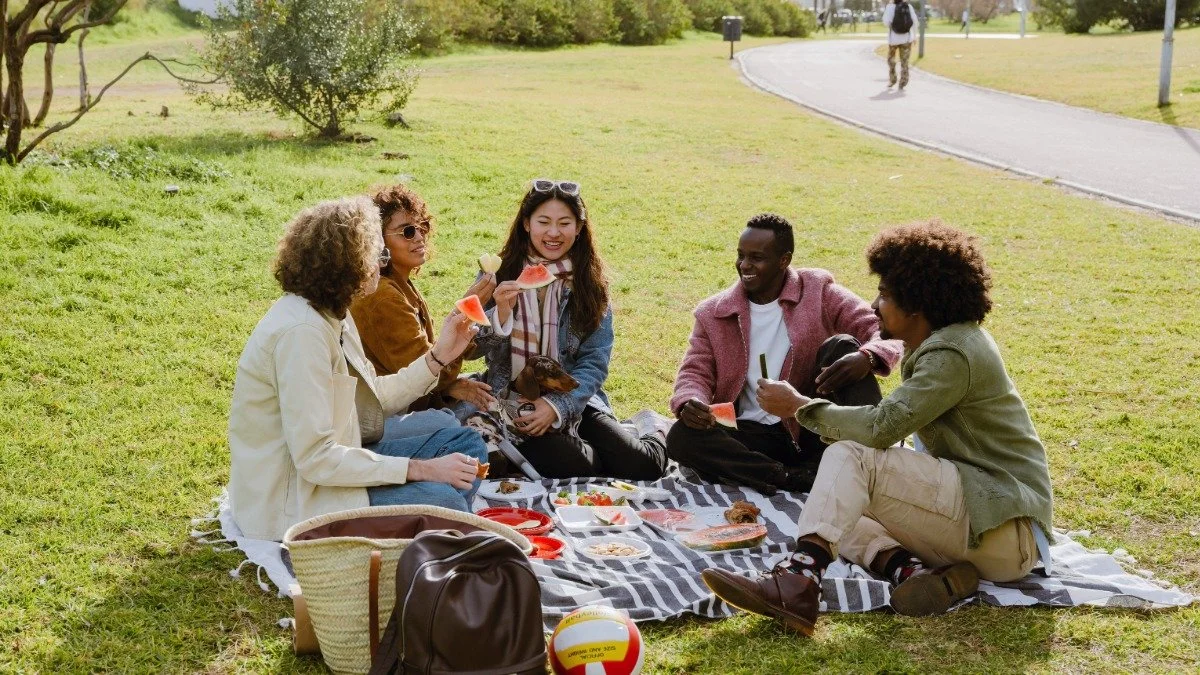
At River Trail Commons, shared spaces are planned as an essential part of the neighborhood. The goal is to create places for shared meals, celebrations, meetings, children playing, gardening, quiet conversations, and the small everyday interactions that help people feel known.
Community does not have to mean constant activity or forced participation. The vision is to make connection available while still honoring privacy, independence, and personal space.
Intergenerational by Design
River Trail Commons is not being designed for one age group or one type of household.
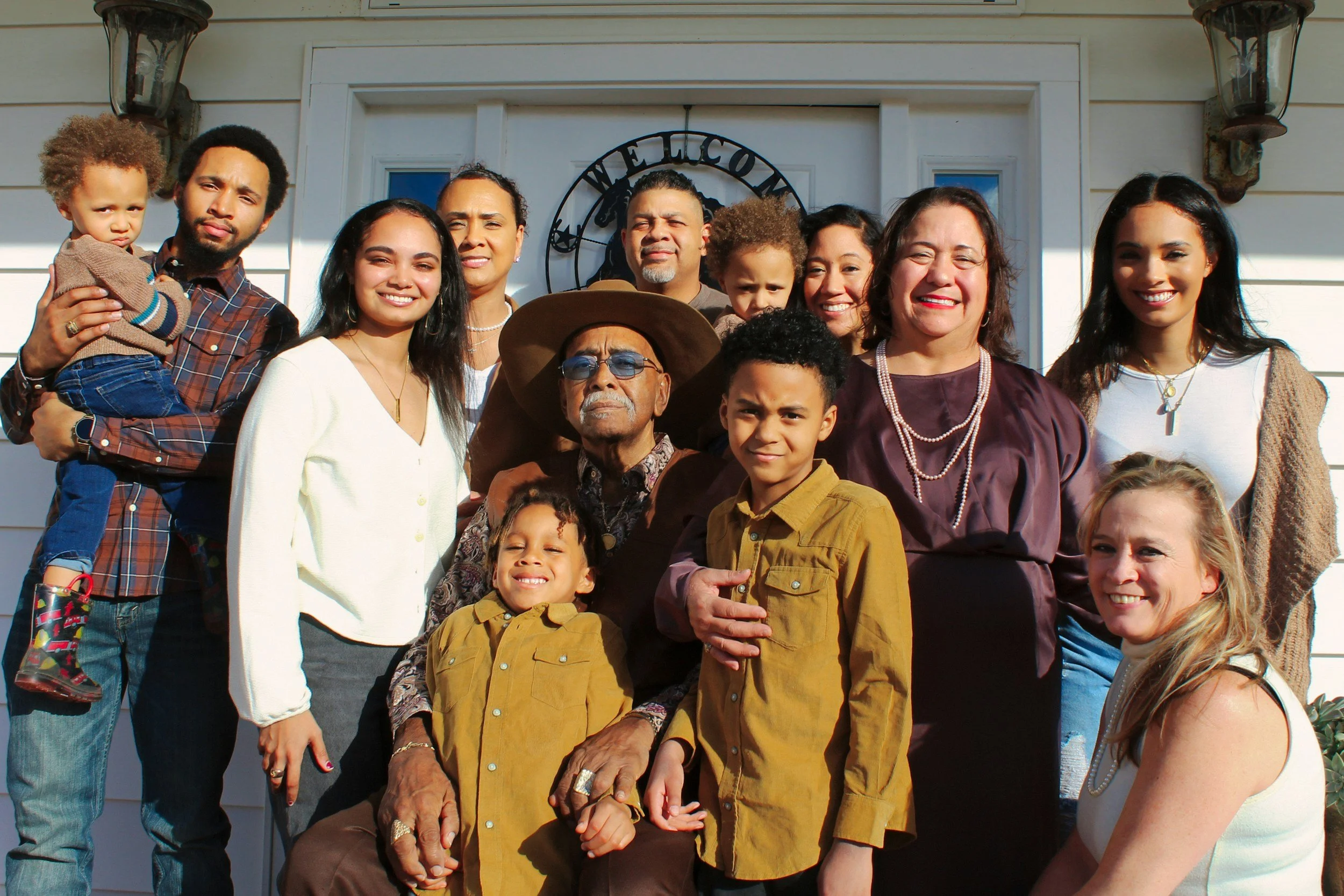
The goal is to create an intergenerational community where families, singles, couples, remote workers, empty nesters, retirees, and people relocating for community can all feel a sense of belonging.
A healthy community includes many stages of life.
Children bring energy and curiosity. Adults bring skills, ideas, and leadership. Older residents bring experience, perspective, and continuity. Singles and couples bring friendship, flexibility, and connection.
The goal is not for everyone to be the same. The goal is to create a place where people with different experiences can live near one another with intention, respect, and a shared desire for community.
For families, that could mean children growing up around neighbors who know their names.
For singles and couples, it could mean having connection built into daily life without needing to constantly seek it elsewhere.
For people entering a new chapter of life, it could mean choosing a neighborhood where belonging is part of the plan from the beginning.
Private Homes, Shared Spaces, Real Belonging
One of the most important things to understand about cohousing is that residents have private homes.
River Trail Commons is not a commune, a dorm, or a shared house. Residents will own their homes and maintain their independence. What makes cohousing different is what surrounds those homes.
The River Trail Commons plan includes shared spaces that can support gathering, hosting, gardening, meetings, celebrations, and everyday connection. Instead of every household living completely separately, the community is being designed so future residents can share certain spaces and resources in ways that support daily life and community interactions.
This creates a different kind of value.
The value is not only in square footage. It is in the opportunity to be part of a neighborhood where people choose to know one another.
Homes at River Trail Commons begin with one-bedroom options starting at $325,000. For buyers coming from higher-cost markets, Milwaukee’s Riverwest neighborhood may offer a more attainable path into a community-centered way of living.
Choosing cohousing is a personal decision. It is not only about floorplans, pricing, or location. It is about how you want daily life to feel, and whether you want to be part of helping shape a community from the beginning.
River Trail Commons is currently forming and welcoming people who are curious about cohousing, interested in Riverwest, Milwaukee, and ready to learn more about what it means to live in a community-focused, intergenerational neighborhood.
Whether you are already familiar with cohousing or just beginning to explore the idea, take the next step: learn how it works, explore the homes and pricing, and decide whether this future community feels aligned with the life you want to build.
Is River Trail Commons Right for You?
Cohousing in Wisconsin FAQ
-
Cohousing is a type of community-focused homeownership that combines private homes with shared spaces and a more connected neighborhood design. Residents have their own private homes, kitchens, bedrooms, bathrooms, and personal space, while also sharing access to common areas designed for community life.
-
Traditional housing usually centers on private households, individual routines, and basic shared maintenance. Cohousing is different because connection is designed into the community from the beginning. Residents still own their own private homes, but shared spaces, common areas, and resident participation help create more opportunities for neighborly connection.
-
The advantages of cohousing include a stronger sense of belonging, shared spaces that expand daily life, more opportunities for everyday support, and a balance of privacy and community. Cohousing can also support more sustainable use of resources because some spaces and amenities are shared rather than duplicated by every household.
-
No. River Trail Commons is not a rental community, emergency housing program, temporary housing, or assisted living community. It is a private homeownership opportunity for people who want to purchase a home and participate in a connected cohousing community.
-
Yes. River Trail Commons is a developing cohousing community in Milwaukee’s Riverwest neighborhood. The community is planned around private homes to purchase, shared spaces, and a more connected way of living.
-
No. Cohousing is not the same as communal living. Residents have their own private homes and personal space. Shared spaces are available for gathering, meals, collaboration, events, and everyday connection, but they do not replace the privacy of home.
-
Cohousing may be a good fit for people who want to own a private home while also knowing their neighbors, sharing some community spaces, and participating in a more connected neighborhood. It can appeal to families, singles, couples, remote workers, empty nesters, retirees, and people in different stages of life.
-
River Trail Commons is planned for Milwaukee’s Riverwest neighborhood, near the Milwaukee River, parks, trails, local businesses, and city amenities.